

Burnt Larch Cladding: A Stunning and Sustainable Architectural Choice
- Michael Davis
- Nov 29, 2024
- 4 min read

Burnt larch cladding has gradually become one of the most established forms of material for use in modern homes or as part of your constructed design with architects. The real draw for burnt larch, even for commercial projects, is its individuality because one cannot really compare the design and feel it brings with anything else. This type of cladding also comes into its own using techniques such as Shou Sugi Ban, a very old traditional Japanese technique of burning wood.
Burnt larch cladding actually is one of the synonymous materials for modern homes or part of your constructed design with architects. The real pull for burnt larch, including commercial projects, is individuality, as one can't ever compare that design and feel it brings along with anything else. This type also comes into its own using techniques such as Shou Sugi Ban-such a very old traditional Japanese technique of burning wood.
What is Burnt Larch Cladding?
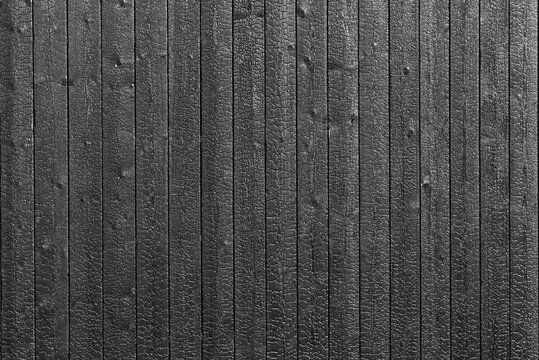
Burnt larch cladding, in fact, will be larch wood which has gone through a controlled fire treatment. This process augments durability, aesthetic appeal, and weather resistance in larch wood. As a softwood species adapted to colder climates, larch is best known for its inherent strength and fibrous resile. When charred, it gains even far more impressive qualities such as resistance to rot, pests, and UV damage.
This treatment not only exceeds the life of cladding but adds to the peculiar darker look that fits in with both modern and rustic tastes. The textural, burnt surface of larch cladding adds a rich and distinct look that heightens the architectural value of any structure.
The Origins of Shou Sugi Ban
It is among the oldest Japanese methods used for preserving wood known as Shou Sugi Ban or Yakisugi. The standard practice of this kind of preservation is performed on cedar (sugi) for protection against moisture and insects. However, over time, the process has become popular worldwide and extended its application to several types of wood such as larch.
The surfaces of these woods are then charred systematically, allowed to cool, and brushed and sealed using natural oils. Aside from making the wood strong, this technique also gives it a rich, blackened look, which imbues depth and texture into architectural projects. On Larch, the result is breathtaking as it lends itself to being made into a very attractive yet useful material.
Benefits of Burnt Larch Cladding
Durability:- The charring process significantly enhances the wood’s resistance to environmental factors such as rain, snow, and UV rays. This makes burnt larch cladding a long-lasting option for external use, even in harsh climates.
Low Maintenance:- One of the standout benefits of burnt larch cladding is its low maintenance requirements. Unlike untreated wood, which often requires frequent staining or sealing, the charred surface naturally protects itself, reducing upkeep.
Eco-Friendly Option:- Burnt larch cladding is a sustainable choice. Larch is a fast-growing, renewable resource, and the burning process often eliminates the need for chemical treatments. Techniques like Shou Sugi Ban use natural oils, making the entire process environmentally friendly.
Aesthetic Appeal:- The dark, textured finish of burnt larch adds a timeless elegance to any design. Whether paired with modern steel and glass or traditional stone, its versatility enhances architectural creativity.
Fire Resistance:- Interestingly, the charring process makes the wood more fire-resistant. The charred layer acts as a protective barrier, slowing down the spread of flames in case of a fire.
Applications of Burnt Larch Cladding
Burnt larch cladding can be used in various ways, including:
Residential Homes: As an exterior cladding, it offers a contemporary look while protecting the structure from the elements.
Garden Buildings: Sheds, summerhouses, and outdoor studios look striking with burnt larch exteriors.
Interior Design: The charred wood adds a bold, textured look to interior walls, ceilings, or furniture pieces.
Fencing and Gates: Using burnt larch for fences and gates combines functionality with visual appeal.
Burnt Larch Cladding and Shou Sugi Ban: A Perfect Match
When combined with Shou Sugi Ban techniques, burnt larch cladding reaches new levels of quality and beauty. This fusion of traditional craftsmanship and modern application results in cladding that is not only durable but also an artistic statement. By embracing Shou Sugi Ban, designers can achieve a deeper char finish, unique textures, and a blackened aesthetic that stands out in any architectural setting.
Tips for Maintaining Burnt Larch Cladding
While burnt larch cladding is low maintenance, some care is recommended to keep it looking its best:
Oiling: If Shou Sugi Ban techniques are used, periodic application of natural oils can enhance the wood’s appearance and longevity.
Cleaning: Gently brush the surface to remove dirt or debris. Avoid harsh chemicals that may damage the charred layer.
Inspection: Regularly check for signs of wear and reapply protective finishes as needed.
Why Choose Burnt Larch Cladding?
Burnt larch cladding is an excellent option for balancing the east-west functionality of sustainability and aesthetics. It withstands the environment with incomparable beauty, making it truly useful for any project. Using the traditional Shou Sugi Ban way pays homage to a craft tradition, but it also enriches your structure's overall quality and beauty.
Conclusion
Burnt larch cladding is more than mere building material; it's an artistic solution, which joins durability, eco-friendliness, and style. Whether minimalistic home, rustic retreat, or bold commercial structure, this cladding opens doors to any design. However, in addition to these qualities, burnt larch cladding assumes almost eternal qualities through the value added by Shou Sugi Ban, making it a choice that will be worth any space it replaces.
Burnt larch cladding may be just the ticket when you want to beautify your project with an exciting green finish. Once again, the allure of charred wood and architectural vision comes to life!
Comments