

How Blackened Wood Cladding Enhances Home Exteriors
- Michael Davis
- Jun 17, 2025
- 4 min read

Few building materials perfectly blend tradition, texture, and the finer points of elegance that black wood cladding clads. With their ancient building connotations and a strong position in the modern building design houses, black wood claddings continue to become ever more popular with homeowners, architects, and designers. It has an extreme aesthetic appeal, having durability and sustainability aspects equally.
Through this blog, we shall talk about how blackened wood cladding can affect the home exterior functionally, aesthetically, and environmentally.
What Is Blackened Wood Cladding?
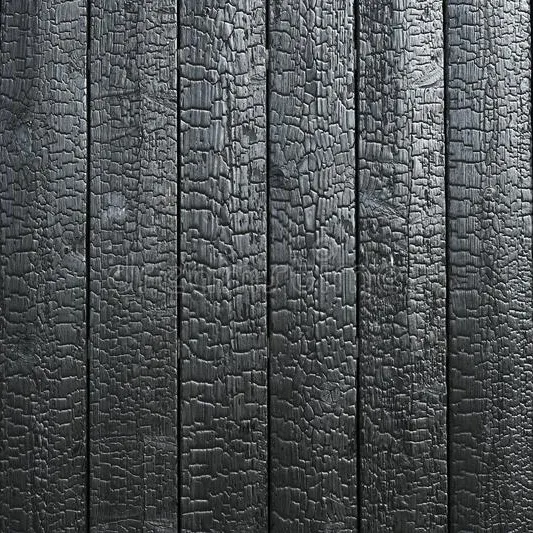
Blackened Wood Cladding refers to wooden panels that are darkened, either by natural processes or by treatments, and then used in exterior siding. Possibly the most common way is the Shou Sugi Ban Japanese traditional method, which involves charring the wood surface followed by brushing, oiling, and sealing.
Other modern ways involve a stain or a pre-treatment that generates a similar kind of dark color but allow more variety in terms of texture and finish while retaining that classic visual character.
Order A Bold and Elegant Aesthetic
The first and most evident benefit of blackened wood cladding is the sight impact it offers. Silky deep-black tones create interesting contrasts when juxtaposed with natural landscapes, stone, glass, or metal. Wherever one's home is located-from a forest setting, along the coast, or in a suburban park-its black cladding will inculcate some drama and sophistication.
Design Versatility
Blackened wood suits a whole swathe of architectural styles-from clean, modern minimalism to rustic cabins and Scandinavian-inspired homes. The texture and grain are visible through the black finish, providing depth and character in ways that flat paints and synthetic materials cannot.
Timeless Appeal
In some instances, trends tend to fade; otherwise, blackened wood exudes the allure of timelessness. Rooted in ancient craftsmanship and reinforced by modern architectural demand, this material is bound to remain stylish and relevant for years to come.
Enhancing Curb Appeal
Curb appeal is the biggest factor impacting your home's value and the first impression it sets forth. Blackened wood cladding can bestow a subtle, high-class look upon any property. It stands for taste, design awareness, and an eye for detail.
With the right combination of another material accent such as metal, warm wood interiors, or minimalist landscaping, the black cladding becomes a striking focal point to boost the resale value significantly.
Durable and Low Maintenance
One of the other few benefits of blackened wood, especially if charred by an ancient method, is its durability.
Natural Protection
The charring process closes the pores of the wood, rendering it naturally resistant to moisture, insects, and even fire-so much so that fewer treatments and sealants are needed later on, which reduces maintenance expenses over time.
Weather Resistance
Properly treated blackened wood can endure a good pounding by rains and sun and temperature fluctuations. It is an excellent choice for exterior facades in regions with inclement weather conditions.
Aging Well
Rather than getting downtrodden, charred wood obtains its own patina with time, adding personality as it weathers. The formation of patina is, hence, a positive factor in cementing wood's beauty.
Eco-Friendly Option
Sustainability is a pressing concern for both homeowners and builders these days. Blackening wood cladding is generally carried out on timber sourced sustainably, and the charring procedure contains no chemicals, making it an environmentally conscious choice against synthetic sidings or chemically treated woods.
Also, by extending the durability of wood, blackening reduces the frequency of replacements required, hence saving natural resources in the long haul.
Thermal and Acoustic Arrangements
Wood is a natural insulator, meaning it regulates indoor temperatures when employed as cladding. The inclusion of an additional layer of blackened wood, coupled with proper insulation beneath it, could be a great contribution to the building's thermal efficiency.
Also, depending on the grain and density of the wood, some sound insulating capabilities can be afforded, blocking noise from the outside, which is handy in urban or high-traffic zones.
Tips for Making the Most of Blackened Wood Cladding
Do consider the following options to get the very most out of your blackened wood exterior:
Choosing the Right Species: Cedar, larch, and pine are the most favored wood types for charring due to their structure and performance.
Seal and Maintain (If Needed): Depending on the finish, occasional sealing or oiling may be required to maintain that rich color and prevent UV exposure.
Combine with Other Materials: Combine with glass, metal, or concrete to set a balanced modern expression.
Work with an Expert: Always ensure the installation is done properly by as experienced professionals as possible, working where blackened wood cladding techniques are concerned.
Conclusion
Blackened wood cladding is more than a passing trend; it is an audacious, enchanting, and sustainable way to impart character to a home exterior. Rich texture, weather resistance, and design versatility come together to make the material stand apart in today's architecture. Blackened wood can lend depth, grace, and eternal beauty to the facade of any new build or changeover.
If you want to take your home into a renowned masterpiece, investment into blackened wood cladding is one way of making that present-day good-looking decision that ages with beauty.
Comments